

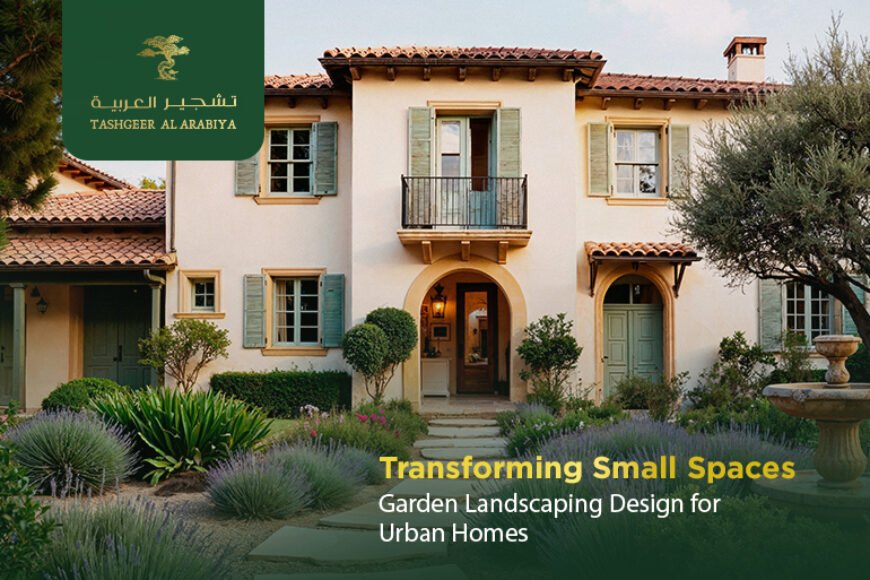
Transforming Small Spaces – Garden Landscaping Design for Urban Homes
- February 17, 2026
- 0 Comment
Absolutely. Small urban gardens offer unique design opportunities that larger properties often lack. When thoughtfully planned, compact outdoor areas become intimate sanctuaries where every element serves a purpose.
Urban garden landscaping challenges designers to think creatively and maximize every square meter. Rather than seeing limited space as a constraint, professional designers view it as an opportunity for innovation and precision.
When properly executed, a small garden extends your living space and seamlessly connects indoors with outdoors — creating a private retreat within the city.
The most common mistake is overcrowding. Trying to include too many features results in clutter rather than calm.
Other frequent pitfalls include:
• Choosing plants without considering mature size
• Using too many materials, colors, or styles
• Ignoring vertical space opportunities
• Overlooking lighting design
Limiting materials to three or four complementary finishes, planning vertical planting, and incorporating proper lighting from the beginning significantly improves results.
Professional landscaping ensures that every element contributes to harmony, functionality, and visual balance.
Design techniques can visually expand compact spaces:
• Use diagonal lines or curved pathways to create movement
• Layer plants by height to add depth
• Install mirrors strategically to increase visual dimension
• Use light-colored materials to reflect natural light
• Maintain a cohesive color palette
A unified design approach prevents visual fragmentation and enhances the sense of openness.
In small spaces, every plant must earn its place.
Recommended categories:
• Multi-stem small trees for structure
• Columnar varieties that grow upward, not outward
• Climbing plants to maximize vertical surfaces
• Herbs for fragrance, beauty, and function
• Ornamental grasses for movement and texture
• Container plants for flexibility
Selecting truly compact varieties suited to the regional climate ensures long-term success.
Hardscaping provides structure and usability.
Key elements include:
• Functional patios or decks
• Defined pathways
• Built-in seating
• Water features
• Vertical walls for privacy
Quality materials and expert installation ensure durability and timeless appeal.
Privacy should feel protective — not restrictive.
Effective strategies include:
• Layered planting at varied heights
• Trellises with climbing plants
• Pergolas for overhead enclosure
• Strategic screening only where needed
• Thoughtful evening lighting
The goal is security without sacrificing openness.
Urban gardens should prioritize sustainability.
• Climate-adapted plant selection
• Rainwater harvesting
• Permeable paving
• Composting
• LED lighting
• Habitat creation
Even small gardens collectively make a significant environmental impact.
Costs vary based on scope and materials. A simple refresh requires modest investment, while full transformations including hardscaping, irrigation, and lighting represent a larger commitment.
Professional landscaping increases property value and enhances daily quality of life.
A well-designed small garden can require as little as one to two hours per week during peak season.
Low-maintenance strategies include:
• Slow-growing plants
• Mulching
• Automated irrigation
• Durable hardscaping
Designing for your available time ensures long-term enjoyment rather than stress.
Ready to transform your urban space? Contact us for a consultation. We specialize in elegant landscaping for residential villas, townhouses, and compact urban gardens throughout the region.
