

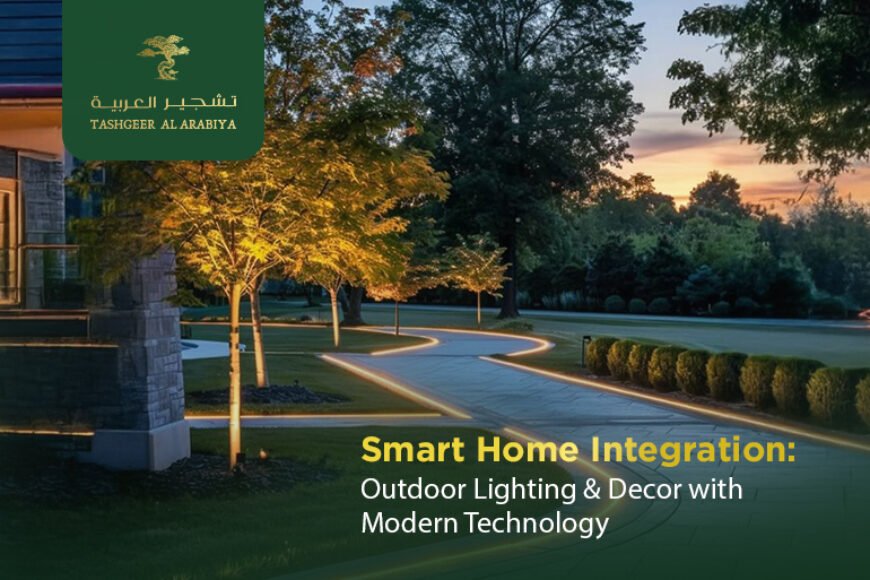
Smart Home Integration: Outdoor Lighting and Decor with Modern Technology
- March 28, 2026
- 0 Comment
The revolution in smart home technology has finally extended beyond our walls, bringing unprecedented control and creativity in ways that seemed like science fiction just a decade ago.
Effortless control:
Imagine adjusting your entire outdoor lighting scheme from your phone while still at work, ensuring you arrive home to a beautifully illuminated welcome.
Picture voice-commanding your patio lights to dim for intimate conversation or brighten for lively gatherings, all without leaving your comfortable seat.
Sophisticated capability:
Modern outdoor technology goes far beyond simple on-off switches. It offers nuanced control over brightness, color temperature, even specific hues that transform your garden into whatever mood suits the moment.
Smart systems learn your patterns and preferences, automatically adjusting as seasons change and daylight hours shift.
Intelligent response:
Integration with weather sensors means your lighting and other outdoor elements respond intelligently to conditions, protecting investments while maximizing enjoyment.
For the environmentally conscious, these systems optimize energy usage in ways manual control never could, reducing waste while actually improving performance.
Seamless experience:
The elegance lies not in the technology itself but in how it disappears into the background, allowing you to focus on experiencing your outdoor spaces rather than managing them.
Whether for residential villas, commercial properties, or luxury hospitality venues throughout the region, smart technology elevates outdoor living to new levels.
Choosing the right smart technology requires understanding which systems deliver genuine value versus gadgets that complicate rather than simplify your life.
Entry-level options:
Smart LED bulbs that screw into existing fixtures offer the easiest entry point. They bring color-changing capabilities and dimming control to standard outdoor lamps without rewiring or professional installation.
Dedicated systems:
Dedicated smart outdoor lighting systems from companies specializing in landscape illumination provide weather-resistant fixtures designed specifically for exterior conditions. Robust construction survives our climate extremes year after year.
Color-changing strip lights add versatility, tucking under railings, outlining architectural features, or highlighting plantings with millions of color options controlled through simple apps.
Landscape integration:
Smart pathways and spotlights allow individual control over each fixture in your landscape, creating scenes where certain areas brighten while others dim based on activity and time.
System architecture:
Hub-based systems centralize control and often work with multiple manufacturers, though they require initial setup investment and some technical comfort.
Hub-free solutions connect directly to your WiFi network, offering simpler installation though sometimes with fewer advanced features.
Sustainable choice:
Solar-powered smart lights combine sustainability with convenience, charging during the day and activating automatically at dusk. Adjustable brightness and duration settings provide flexibility while eliminating electrical costs—ideal for our sunny climate.
Professional designers help select systems appropriate for your needs and property type, whether residential villas, commercial landscapes, or hospitality venues.
Voice control represents one of the most practical and impressive aspects of modern outdoor systems, bringing hands-free convenience that genuinely improves daily life.
Simple commands:
Integration with voice assistants like Alexa, Google Assistant, or Siri allows simple commands that adjust your entire outdoor environment without touching a phone or switch.
Imagine calling out to turn on pathway lights as you take evening walks, or asking your voice assistant to set the patio to romantic lighting while your hands are full with dinner plates.
Complex scenes:
Create custom voice commands like “Movie Night” that trigger complex scenes—dimming certain lights, brightening others, and even adjusting speaker volume for your outdoor cinema setup.
Practical benefits:
Voice control particularly shines when hosting, allowing seamless lighting adjustments without interrupting conversation or leaving guests.
For accessibility, voice commands open outdoor enjoyment to people with limited mobility who might struggle with physical switches or phone apps.
Natural interaction:
The technology has matured significantly. Voice recognition now understands natural language and context rather than requiring memorized specific phrases.
Platform flexibility:
Most quality smart lighting systems support multiple voice platforms, so you’re not locked into a single ecosystem. Choose assistants based on preference rather than compatibility requirements.
Voice control feels luxurious and futuristic while proving remarkably practical for everyday use, whether for residential properties, commercial venues, or hospitality landscapes.
Sustainability concerns and practical economics both point toward smart technology as the future, with measurable benefits that quickly justify initial investments.
Automated efficiency:
Automated scheduling ensures lights activate only when needed rather than burning through the night. Systems adjust for seasonal daylight variations without manual reprogramming.
Motion sensors activate lighting when someone approaches, providing security and convenience while leaving lights off during unused hours that represent pure waste in traditional systems.
Dimming capabilities:
Dimming capabilities mean you use only the light level actually needed for any given situation. Studies show dimming to seventy-five percent saves nearly forty percent energy while remaining perfectly functional for most purposes.
Location-based control:
Geofencing technology detects when you leave home and can automatically adjust outdoor lighting to security-only modes, then welcome you back with your preferred arrival scene.
Weather integration:
Integration with weather data means systems can respond to cloud cover, turning lights on early during overcast days or delaying activation when natural light lingers.
Monitoring and optimization:
Energy monitoring built into many smart systems shows exactly what your outdoor lighting costs, making the impact of different choices visible and encouraging efficient usage.
LED foundation:
The LED bulbs required by most smart systems already use a fraction of traditional incandescent power. Smart control multiplies these savings through intelligent usage patterns.
Smart technology aligns environmental responsibility with enhanced functionality rather than forcing compromise, whether for residential villas, commercial properties, or large-scale developments.
Beyond basic lighting control, sensors elevate outdoor spaces to respond intelligently to conditions and activities without constant manual adjustment.
Light sensing:
Ambient light sensors detect sunset and sunrise, automatically adjusting your outdoor lighting to maintain consistent illumination regardless of seasonal changes or weather conditions.
Motion sensors provide security by detecting movement in typically unused areas, welcome you home by activating pathway lighting as you approach, and save energy by ensuring lights burn only when someone benefits from them.
Climate response:
Temperature sensors integrated with smart systems can trigger patio heaters when evening air drops below comfortable thresholds, or activate cooling fans when heat becomes oppressive.
Rain sensors protect your investment by signaling motorized awnings to retract before damage occurs, or triggering notifications that cushions need bringing inside before they soak through.
Wind sensors work similarly for umbrellas and other elements vulnerable to strong gusts, preventing frustration and expense of storm damage.
Environmental monitoring:
Humidity and moisture sensors help manage irrigation systems and protect sensitive decorative elements from conditions that promote mold or deterioration.
Intelligent security:
Occupancy sensors distinguish between family members and potential intruders, adjusting lighting and security responses appropriately.
Sensors create environments that feel attentive and responsive, anticipating needs rather than waiting for commands, whether for residential properties, commercial landscapes, or hospitality venues.
Scene creation represents where smart technology truly shines, allowing single commands to orchestrate complex changes across multiple fixtures and zones.
Dining scenes might brighten the eating area while dimming perimeter lighting, creating intimate focus without harsh overhead glare.
Entertainment scenes for parties could activate colorful lighting throughout the space, increase overall brightness, and even synchronize with outdoor music systems.
Relaxation scenes emphasize warm, low lighting that creates cozy atmospheres perfect for unwinding, perhaps including gentle color shifts that mimic sunset transitions.
Security scenes when leaving home brighten key areas like entrances and dark corners while dimming decorative lighting that serves no protective purpose.
Morning scenes gradually increase light levels that help you wake gently if you breakfast outdoors, mimicking natural sunrise in ways that static lighting cannot achieve.
Seasonal scenes adjust color temperatures and brightness to complement the time of year, perhaps emphasizing warm amber tones during autumn or bright, cool light in summer.
Most systems allow unlimited custom scenes, so you can create specialized lighting for specific occasions like outdoor movie nights, yoga sessions, or reading time.
Scene programming transforms spaces instantly without technical expertise or complicated adjustments, whether for residential villas, restaurants, or event venues throughout the region.
Making informed decisions prevents frustration and ensures your investment delivers lasting value rather than becoming obsolete or problematic.
System compatibility:
Compatibility matters enormously. Some systems work only within specific ecosystems while others embrace open standards that interoperate with multiple platforms.
Network infrastructure:
WiFi coverage in outdoor spaces often proves weaker than indoors, potentially requiring range extenders or mesh networks to ensure reliable control of distant fixtures.
Weather ratings:
Weather resistance ratings become critical. Outdoor devices need higher IP ratings than indoor smart products to survive moisture, temperature extremes, and physical exposure to elements—particularly important in our climate.
Installation considerations:
Professional installation makes sense for permanent landscape lighting and complex systems, protecting your investment through proper setup that amateur installation might compromise.
Starting small allows you to test technology and understand what works for your lifestyle before committing to whole-property systems.
Power options:
Power supply considerations include whether fixtures run on standard line voltage, low voltage, battery, or solar. Each has different maintenance requirements and reliability factors.
Security matters:
Privacy and security deserve attention. Poorly secured smart devices become entry points for network intrusions. Regular updates and strong passwords prove essential.
Brand reputation and support matter more for products you expect to use for decades than for disposable consumer electronics.
Professional designers help technology enhance rather than complicate your enjoyment of outdoor spaces, whether for residential properties, commercial venues, or hospitality landscapes.
One common concern about outdoor technology is whether it requires sacrificing traditional beauty for modern functionality.
Invisible integration:
The reality is that smart technology increasingly hides within classic fixture designs that honor timeless aesthetics while delivering cutting-edge performance.
Traditional lanterns now house smart bulbs and control systems within vintage-inspired housings that complement historic architecture beautifully.
Modern minimalist fixtures incorporate technology so seamlessly that nothing about their appearance suggests the sophisticated control systems within.
Retrofit solutions:
Retrofit smart bulbs allow you to keep beloved existing fixtures while adding contemporary control capabilities, preserving the decorative elements you love.
Wireless freedom:
Wireless control eliminates the conduit and wiring that would mar carefully designed landscapes. Power delivers through existing circuits and control happens invisibly through radio signals.
Hidden effects:
Hidden LED strips and well lights provide illumination without visible fixtures, allowing gardens and architectural features themselves to shine without competing light sources.
Discreet controls:
Control panels can mount discreetly inside or in weatherproof boxes disguised as garden decor rather than obviously technical equipment.
Timeless design:
The goal of quality lighting and decor using smart technology is making the technology invisible while effects remain spectacular. Your outdoor spaces feel timeless rather than trendy despite incorporating the latest innovations.
Professional designers ensure technology serves beauty rather than competing with it, whether for residential villas, luxury hotels, or distinctive commercial properties.
Keeping technology performing optimally requires understanding ongoing care beyond initial installation.
Software care:
Software updates for smart devices patch security vulnerabilities and add new features. These typically download automatically though checking periodically ensures you haven’t missed critical updates.
Physical maintenance:
Clean fixtures regularly to maintain both appearance and sensor functionality. Dirt on motion detectors or light sensors causes erratic behavior that undermines the system’s benefits.
Battery replacement schedules for battery-powered smart devices need tracking to prevent unexpected failures, though many modern systems send low-battery alerts.
Network health:
Network maintenance including router updates and WiFi optimization ensures reliable communication between devices and control systems. Occasional reboots resolve many temporary glitches.
Weatherproofing checks:
Verify that seals and gaskets remain intact, preventing moisture infiltration that destroys electronics regardless of initial waterproof ratings—particularly important in our climate.
Replacement planning:
Bulb replacement in smart fixtures requires compatible products rather than generic bulbs. Identify replacement sources when initially purchasing.
Back up scenes and settings to prevent losing complex programming if hubs or controllers need resetting or replacement.
Reliable performance:
Most quality systems prove remarkably reliable with minimal maintenance, but understanding requirements prevents small issues from becoming frustrating failures.
Professional maintenance ensures optimal performance whether for residential villas, commercial properties, or luxury hospitality venues.
Looking ahead helps ensure current investments remain relevant as technology continues advancing.
Artificial intelligence integration will learn your preferences and routines, automatically adjusting outdoor environments based on patterns rather than requiring explicit programming.
Increased interoperability between brands and platforms will reduce frustrations where devices from different manufacturers refuse to communicate.
Solar improvements will make truly wireless outdoor lighting practical even in challenging locations where current technology struggles.
Universal standards like Matter protocol promise to ensure devices work together regardless of manufacturer, protecting investments from obsolescence.
Enhanced durability will push technology deeper into harsh environments where current products still struggle with extreme conditions.
Invisible lighting will disappear entirely into architecture and landscaping while providing better illumination than visible fixtures achieve today.
Biometric sensors might eventually adjust outdoor environments based on physiological data like heart rate or stress levels, creating spaces that actively support wellbeing.
The trajectory clearly moves toward technology that feels less like gadgetry and more like magic, responding to needs you haven’t articulated while remaining invisible until needed.
Thoughtfully selected technology positions your outdoor spaces to evolve with innovations rather than requiring complete replacement, whether for residential villas, commercial properties, or hospitality venues throughout the region.
Ready to integrate smart technology into your outdoor spaces? Contact us for a consultation. Our experienced team designs and installs intelligent outdoor systems for residential villas, commercial properties, and hospitality venues across the region.
