

كيف يعزّز التصميم الذكي للمناظر الطبيعية الأمان ومبادئ CPTED في السعودية
- ديسمبر 5, 2025
- 0 Comment
When planning outdoor spaces around homes, schools, or commercial properties, most people think about beauty first. But what if your landscape could also protect your family and property? This is where CPTED meets intelligent design, and where Saudi landscaping experts are making a real difference in how we think about outdoor safety. Their deep understanding of local climate, culture, and land-use patterns allows them to blend beauty with security in ways that feel effortless and elegant.
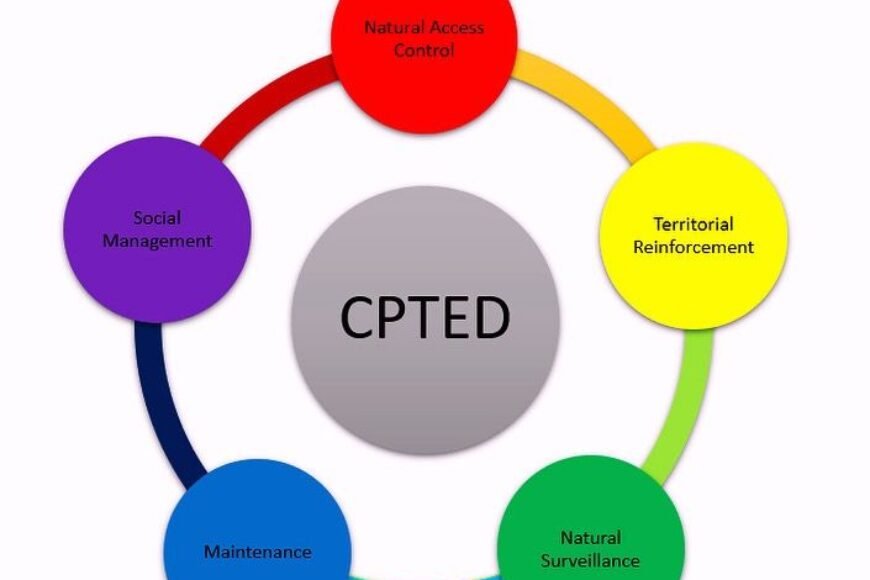
CPTED stands for Crime Prevention Through Environmental Design. It sounds technical, but the concept is straightforward. CPTED uses the physical environment to reduce opportunities for crime and increase the perception of safety, without relying solely on cameras or guards.
In Saudi Arabia, where outdoor living spaces are cherished and properties often include gardens and courtyards, CPTED principles can be seamlessly integrated. Saudi landscaping experts understand how to design landscapes that discourage trespassers naturally while still welcoming legitimate visitors. The goal isn’t to create a fortress, it’s to create an inviting space with built-in safety features.
Natural surveillance means designing your property so that people can easily see what’s happening around them. Overgrown shrubs or tall, dense hedges near windows give intruders places to hide.
Smart design does the opposite. Low-growing plants near windows keep sightlines clear while allowing privacy. Trees with high canopies provide shade and beauty without blocking visibility.
Strategic lighting also enhances surveillance. Path lights, uplighting, and entry spotlights ensure the property remains visible even at night. Saudi landscaping experts know exactly where to position lighting to maximize safety and comfort.
When a landscape feels open and observed, both residents and visitors feel safer and behavior automatically improves.
Not all plants support safety-focused design. Saudi landscaping experts carefully select vegetation based on size, density, and maintenance needs.
Thorny or dense plants like bougainvillea or acacia can be placed along boundaries as natural deterrents. These plants are beautiful yet functional, discouraging anyone from attempting to cross them.
Near entrances and walkways, low-maintenance, low-height plants preserve visibility. Ground covers, ornamental grasses, and compact shrubs keep the space open and welcoming.
Hardscape also matters. Gravel paths make sound when walked on, adding an extra layer of awareness. Durable paving reduces hazards and improves visibility. These materials strengthen CPTED strategies without appearing harsh or industrial.
Territorial reinforcement uses design to clearly define public, semi-public, and private zones. Humans naturally respect well-marked boundaries.
Low walls, changes in paving, border plantings, and level shifts all signal where one space ends and another begins. A welcoming path leads visitors directly to the entrance, while plantings subtly indicate private areas.
This aligns beautifully with Saudi values of hospitality and privacy. Saudi landscaping experts excel at designing spaces that feel warm and inviting while still protecting family areas.
Even the best CPTED design fails without maintenance. Overgrown plants create hiding spots, broken lights reduce visibility, and debris accumulates in corners.
Regular pruning, seasonal clean-up, and functioning irrigation and lighting systems are essential. Saudi landscaping experts often design sustainable landscapes using native plants that require less upkeep, ensuring safety features remain effective long-term.
Absolutely. Safety-focused landscapes can be some of the most elegant and serene. When Saudi landscaping experts apply CPTED principles, the result is open, harmonious outdoor spaces designed for enjoyment.
Imagine flowering trees with high canopies, structured pathways edged with fragrant herbs, and soft lighting highlighting architectural elements. These are not compromises, they’re thoughtful designs that work beautifully and safely.
Well-placed water features and seating areas also increase activity, naturally enhancing surveillance.
Designing for safety in Saudi Arabia requires deep contextual knowledge. The climate, cultural expectations, building styles, and lifestyle patterns all influence landscape design.
Saudi landscaping experts bring essential local experience, choosing drought-resistant plants, designing privacy-respecting layouts, integrating security seamlessly, and understanding how families use outdoor spaces. Their solutions are tailored, not imported.
When you hire professionals who understand your environment, you get landscapes that are safe, beautiful, and functional year-round.
Smart landscape design does more than beautify your property. When guided by CPTED principles and executed by skilled Saudi landscaping experts, your outdoor spaces become active partners in your safety strategy, defining boundaries, enhancing visibility, and creating an environment where everyone feels secure. Most importantly, they achieve all this while remaining inviting, elegant, and perfectly suited to life in Saudi Arabia.
